
Builders Stirling
Hidden square footage is waiting beneath your feet. Our expert team turns damp, under‑used cellars into warm, habitable rooms—cinemas, wine cellars or teen hangouts—protected by industry‑leading waterproofing. Allow roughly 12–16 weeks on site, but underpinning or slab‑lowering can extend the timeline.
Get expert advice on your basement
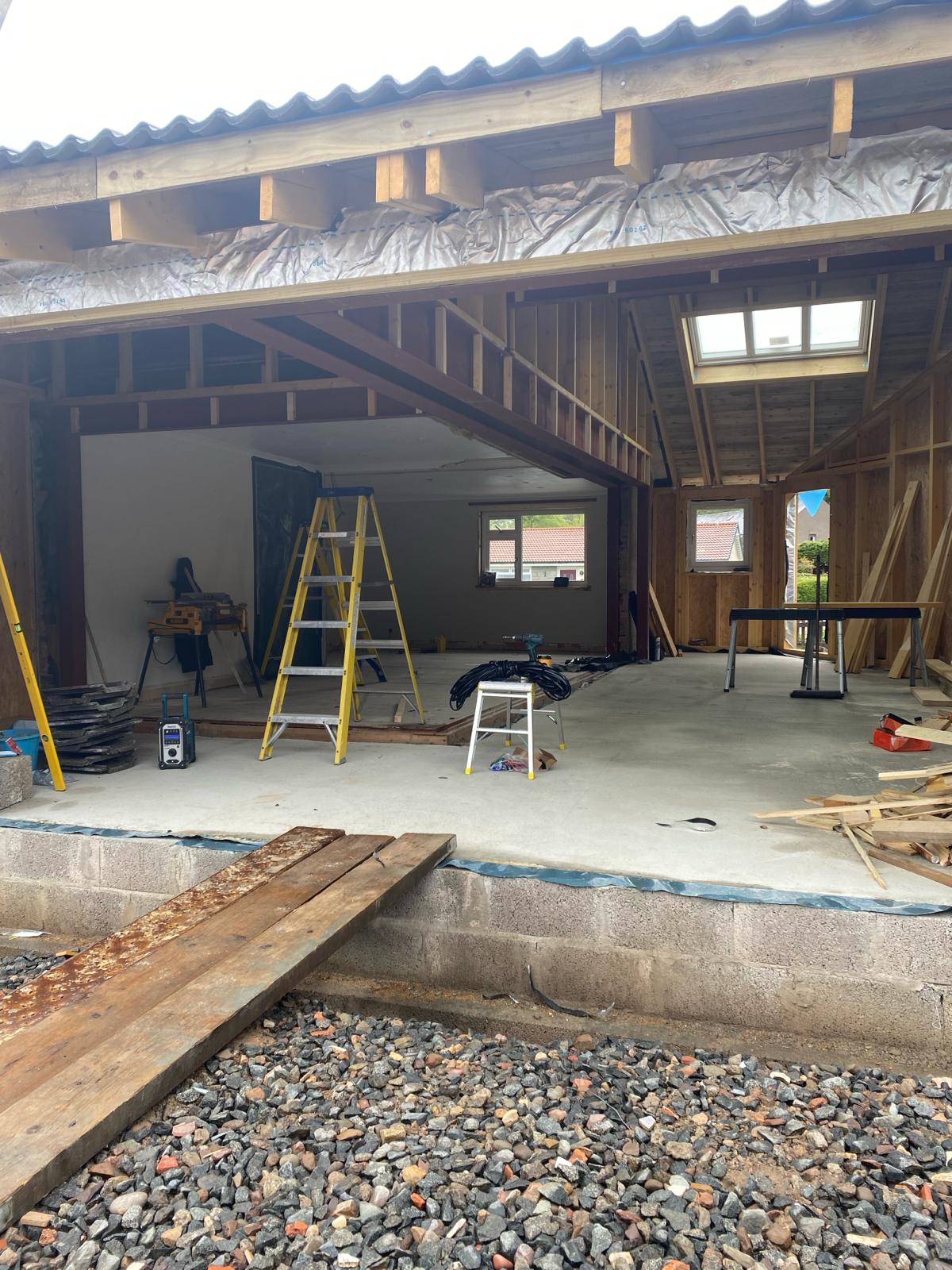
Basement Conversions Experts
Technical Expertise
- Delta® cavity membrane systems for moisture management.
- Insulated floating floors and acoustic ceilings.
- Mechanical ventilation and heat‑recovery options.
Engineering Snapshot
Why Waterproofing Comes First
- Cavity drain membranes create controlled air voids, directing seepage to a pump without pressurising walls.
- Dual‑pump sumps with battery backup give 48 hours’ resilience during power cuts.
- Hydrostatic calculations inform raft slab thickness and reinforcement grade to resist uplift.
Process & Timeline
Basement projects commonly run around 12–16 weeks, including tanking cure time. Site access, underpinning depth and fit‑out spec will influence the exact programme
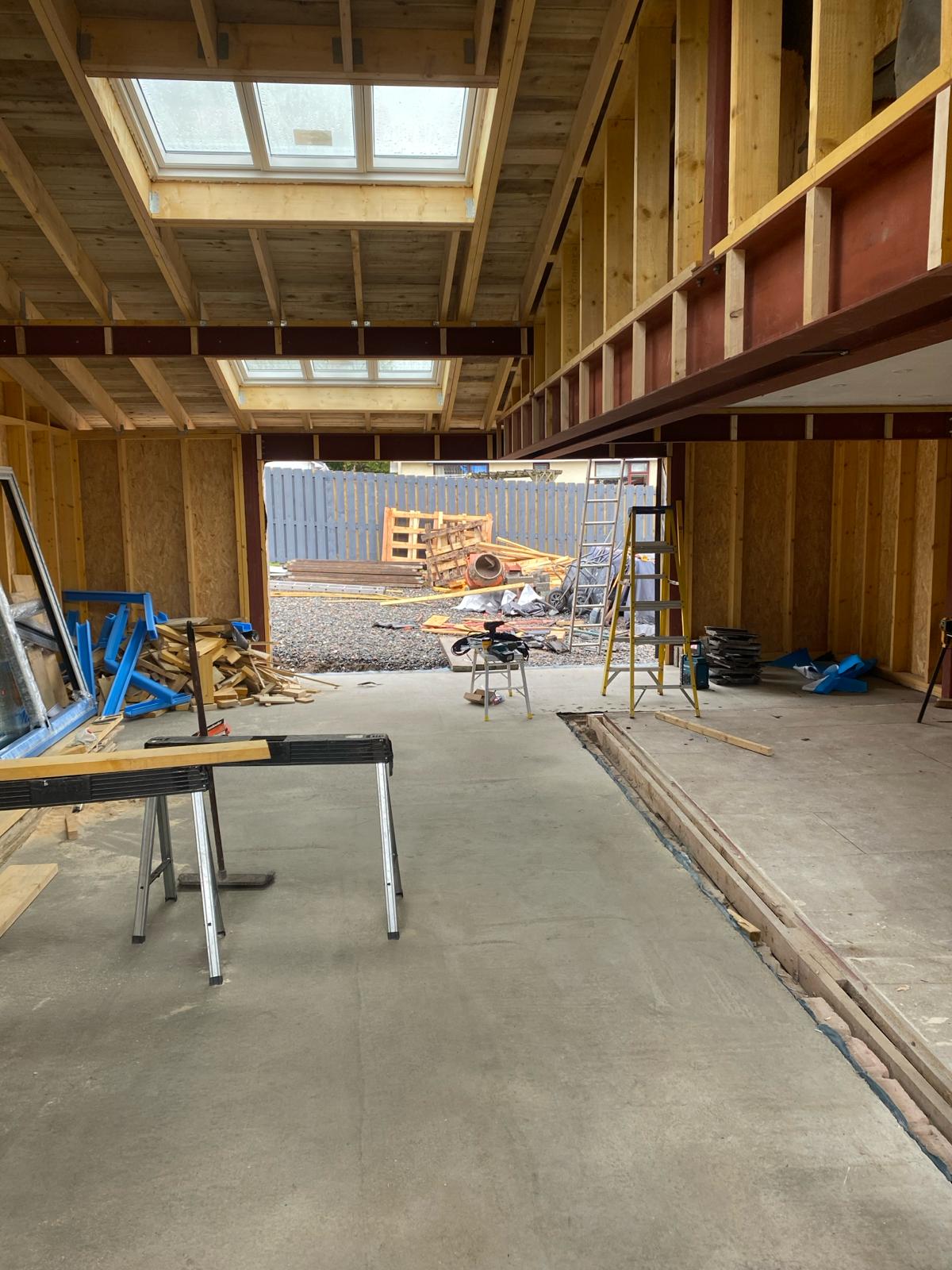
Book Your Free Consultation
Book A Free Feasibility Survey
Call 01786 608 054 or email hello@buildersstirling.co.uk to arrange a no‑obligation site visit. We’ll discuss ideas, budget and timescales, then provide a detailed fixed‑price quote
Basement Conversions FAQs
Is my basement suitable for conversion?
We perform a structural & damp survey to confirm head height, water table and access.
What damp proofing method do you use?
Cavity drain membranes and sump pumps with battery backup.
Can we increase ceiling height?
Yes—lowering the slab or underpinning with benching can gain 300–450 mm.
Do I need planning permission?
Usually not, but building warrant and sometimes party‑wall notices apply.
How long does it take?
Typically around 12–16 weeks including waterproofing cure.
How much does a basement conversion cost?
From £1,800–£2,400 per m² depending on excavation and finishes.
How is fresh air provided?
Mechanical ventilation with heat recovery meets Building Standards.
What fire escape routes are required?
Egress windows or protected stairwells with smoke alarms.
How is the space heated?
Radiators linked to existing boiler or underfloor heating in the new slab.
Will my insurance be affected?
Most insurers view professional waterproofing positively; we supply certificates.