
Builders Stirling
Your car moved to the driveway years ago—let’s make that draughty garage work for you. Most single garages can be transformed into an insulated office, gym or guest suite in approximately three to four weeks, depending on specification.
Unlock your garage’s potential
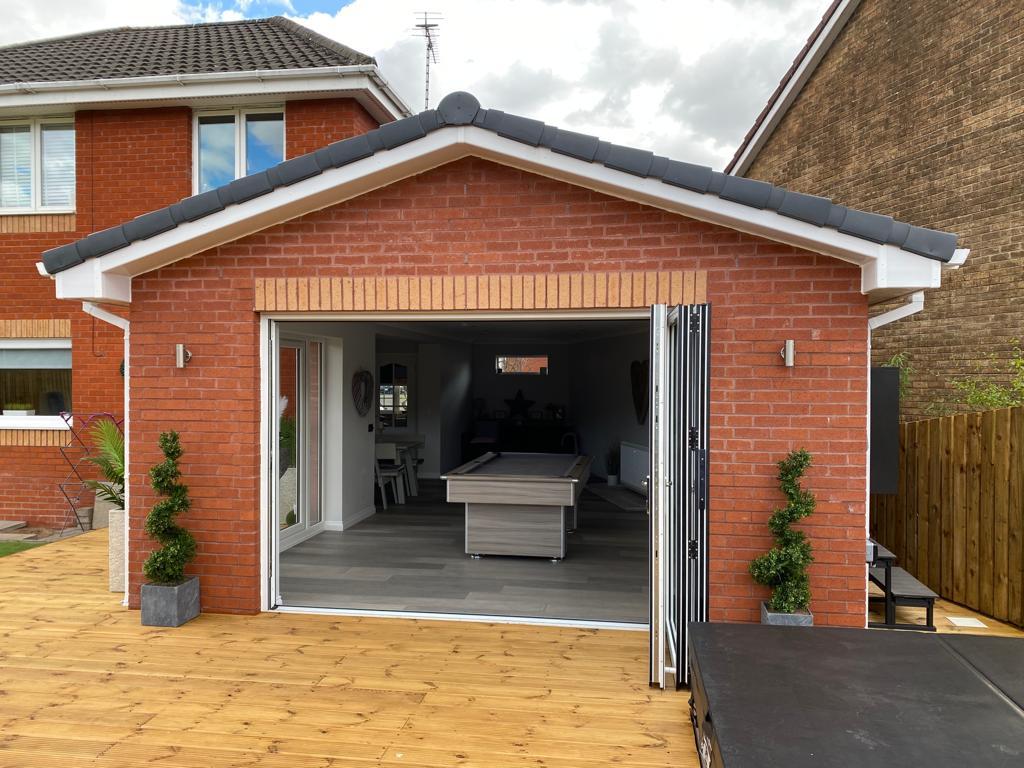
Garage Conversion Experts
Why Vitality?
- Fixed‑price quotations—no mid‑project surprises.
- Integrated insulation and damp‑proofing for year‑round comfort.
- Samples of previous conversions available on request.
Vitality Garage Conversions
Popular Uses
- Work‑from‑home office with data cabling.
- Kids’ playroom with wipe‑clean flooring.
- Ground‑floor bedroom with en‑suite for multigenerational living.
Anatomy of a Robust Garage Conversion
- Thermal uplift – 100 mm PIR between studwork plus 25 mm insulated service void beats 0.24 U value wall target.
- Moisture protection – new DPM, perimeter cavity trays and breathable membranes keep the old slab dry.
- Acoustic rating – 15 mm acoustic plasterboard and resilient bars quieten playrooms and offices.
- Smart electrics – CAT6 data points and 32 A ev ready circuits future proof your tech needs.

Book Your Free Consultation
Get your fixed garage‑conversion quote in 48 hours
Call 01786 608 054 or email hello@buildersstirling.co.uk to arrange a no‑obligation site visit. We’ll discuss ideas, budget and timescales, then provide a detailed fixed‑price quote
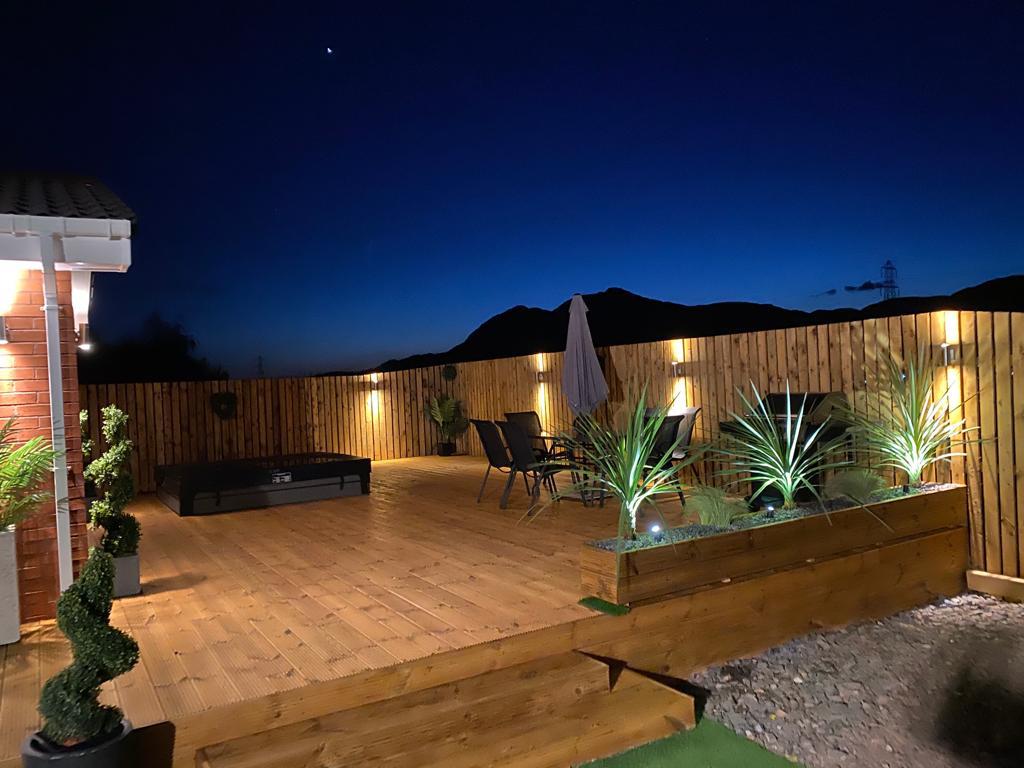
How It Works
Timeline & Process
- Free survey to confirm structural soundness.
- Building‑control notice submission (usually no planning needed).
- Strip‑out, insulation, stud walls and first‑fix services.
- Finishing touches—flooring, décor and certification.
Garage Conversions FAQs
What is a garage conversion and what are the benefits?
A garage conversion is the process of transforming an existing garage space into a functional living area, creating additional usable space within your home without the need for a traditional extension. This popular home improvement option allows homeowners to maximize their property’s potential by converting underutilized garage space into valuable living areas such as bedrooms, home offices, playrooms, gyms, or additional reception rooms.
At Vitality Property & Refurbishments, we’ve completed numerous garage conversions throughout Stirling, helping homeowners unlock the potential of their properties. The benefits of garage conversion are substantial and varied. Firstly, it provides additional living space without the need to extend your property’s footprint, making it an ideal solution for properties with limited garden space or planning restrictions that might prevent traditional extensions.
Garage conversions typically offer excellent value for money compared to other methods of adding space to your home. The basic structure already exists, including walls, roof, and foundation, which significantly reduces construction costs compared to building a new extension from scratch. This makes garage conversion one of the most cost-effective ways to add valuable living space to your property.
From a property value perspective, a well-executed garage conversion can add significant value to your home. While you may lose a parking space, the addition of a functional living area often more than compensates for this in terms of property value, particularly in areas where additional living space is at a premium. The conversion can make your property more attractive to potential buyers, especially families looking for extra bedrooms or flexible living spaces.
Garage conversions also offer excellent flexibility in terms of use. The converted space can serve multiple purposes throughout your family’s changing needs ‒ starting as a playroom for young children, transitioning to a teenager’s bedroom or study area, and later becoming a home office or guest room. This adaptability makes garage conversion a long-term investment in your property’s functionality.
Do I need planning permission for a garage conversion in Stirling?
The question of planning permission for garage conversions is one of the most common concerns we address at Vitality Property & Refurbishments. The good news is that most garage conversions fall under permitted development rights, meaning planning permission is not required in many cases. However, there are specific criteria that must be met for this to apply.
Under permitted development rights, you can convert your garage without planning permission provided the conversion doesn’t involve altering the external appearance of the building significantly. This means you can typically convert the internal space, add insulation, install heating, and create internal partitions without requiring formal planning approval. The key requirement is that the external envelope of the building remains largely unchanged.
However, there are important exceptions and considerations. If your property is a listed building, located in a conservation area, or subject to an Article 4 direction, permitted development rights may be restricted, and planning permission could be required even for internal conversions. Additionally, if you plan to create a separate dwelling unit (such as a self-contained flat with its own kitchen and bathroom), this would likely require planning permission regardless of the property’s status.
Changes to the external appearance of the garage, such as replacing the garage door with windows, adding new external doors, or making significant alterations to the roof line, may require planning permission. However, many garage conversions can be completed while maintaining the external garage door, which preserves the building’s external appearance and keeps the conversion within permitted development rights.
It’s also important to consider parking requirements. While converting your garage doesn’t automatically require planning permission, local planning policies may have requirements about maintaining adequate parking provision for your property. If your conversion would result in insufficient parking for your property size, this could potentially be an issue if you ever wanted to make other changes requiring planning permission.
We always recommend checking with Stirling Council’s planning department before beginning any garage conversion project. They can provide specific guidance based on your property’s location, status, and the proposed conversion plans. This initial consultation can save time, money, and potential complications later in the process.
How much does a garage conversion cost in Stirling?
The cost of a garage conversion in Stirling varies depending on several factors, including the size of your garage, the intended use of the converted space, the level of finish required, and any specific challenges presented by your property. Based on our extensive experience completing garage conversions throughout the Stirling area, homeowners can typically expect to invest between £8,000 and £25,000 for a comprehensive garage conversion.
For a basic garage conversion involving insulation, plastering, flooring, electrical work, and decoration, costs typically start around £8,000 to £12,000 for a standard single garage. This would create a simple additional room suitable for use as a home office, playroom, or storage area with basic heating and lighting. The conversion would include essential elements such as proper insulation to meet building regulations, electrical installation for lighting and power outlets, basic flooring such as laminate or carpet, and internal decoration.
Mid-range garage conversions, costing between £12,000 and £18,000, typically include higher quality finishes, more sophisticated heating solutions such as underfloor heating or radiator systems, better quality flooring options, additional electrical work for more complex lighting schemes, and potentially some plumbing work if a basic sink or toilet facility is required. This level of conversion creates a more comfortable and versatile space suitable for use as a bedroom, study, or family room.
High-end garage conversions can cost £18,000 to £25,000 or more, particularly if they include luxury finishes, comprehensive plumbing for en-suite facilities, sophisticated heating and ventilation systems, high-quality flooring such as engineered wood or premium tiles, custom built-in storage solutions, and premium electrical installations including smart home technology integration.
Several factors influence the final cost of your garage conversion. The condition of your existing garage significantly impacts the budget ‒ older garages may require more extensive work to bring them up to current building standards, including damp- proofing, structural reinforcement, or electrical upgrades. The intended use of the space also affects costs, with conversions requiring plumbing (such as bedrooms with en-suite facilities) being more expensive than simple living spaces.
Access to your garage can impact costs, particularly if it’s difficult to get materials and equipment to the work area. Ground conditions and drainage may require attention, especially if the garage floor needs to be raised or if damp issues need to be addressed. The level of finish you choose, from basic to luxury, significantly affects the overall investment required.
What building regulations apply to garage conversions?
Building regulations are a crucial consideration for garage conversions, and compliance is mandatory regardless of whether planning permission is required. At Vitality Property & Refurbishments, we ensure all our garage conversions fully comply with current building regulations to guarantee safety, comfort, and legal compliance.
The primary building regulation considerations for garage conversions relate to thermal insulation, ventilation, electrical safety, and structural integrity. Thermal insulation requirements are particularly important, as garages are typically built to lower insulation standards than habitable rooms. The conversion must achieve current thermal performance standards for walls, roof, and floor to ensure the space is comfortable and energy-efficient.
Wall insulation typically requires adding internal insulation to achieve the required U- values. This might involve installing insulated stud walls with appropriate vapor barriers and finishing with plasterboard. Roof insulation must meet current standards, which may require adding significant insulation between or under roof rafters. Floor insulation is often necessary, particularly for concrete garage floors, which may require insulated screed or raised floor systems.
Ventilation requirements ensure adequate air quality in the converted space. This typically involves providing background ventilation through trickle vents in windows or walls, and may require mechanical ventilation depending on the intended use of the space. Rooms intended for sleeping typically have more stringent ventilation requirements than those used for other purposes.
Electrical work must comply with current wiring regulations and typically requires upgrading the garage’s electrical installation. Most garages have basic electrical systems suitable for lighting and power tools, but conversion to habitable space requires more comprehensive electrical installation including adequate power outlets, appropriate lighting circuits, and potentially electric heating systems.
Fire safety considerations are important, particularly if the converted garage connects to the main house. This may require fire-resistant doors, appropriate escape routes, and smoke detection systems. The specific requirements depend on the layout of your property and how the converted space relates to existing rooms.
Structural considerations ensure the converted space is safe and suitable for its intended use. This might involve assessing the adequacy of foundations, particularly if the floor level needs to be raised, and ensuring any new openings or alterations don’t compromise the building’s structural integrity.
Building control approval is typically required for garage conversions, involving submission of plans showing the proposed work and inspections during construction to ensure compliance. We handle all building control applications and liaisons on behalf of our clients, ensuring the process is smooth and compliant.
How long does a garage conversion take to complete?
The timeline for completing a garage conversion depends on the complexity of the work, the size of the space, and the level of finish required. At Vitality Property & Refurbishments, most garage conversions are completed within 3 to 6 weeks, though more complex projects involving extensive plumbing or structural work may take longer.
A basic garage conversion involving insulation, electrical work, plastering, flooring, and decoration typically takes 3 to 4 weeks to complete. The first week usually involves preparation work, including clearing the space, assessing and addressing any damp issues, and beginning insulation installation. Electrical first fix work, including running new cables and installing back boxes for outlets and switches, is typically completed during this phase.
The second week focuses on completing insulation work, installing any necessary ventilation systems, and beginning plastering work. If heating installation is required, this is typically completed during this phase. The space begins to take shape as walls are lined and prepared for finishing.
The third week involves completing plastering work, allowing for drying time, and beginning flooring installation. Electrical second fix work, including installing outlets, switches, and light fittings, is completed during this phase. Any painting and decoration work begins once plastering is fully dry.
The final week focuses on completing decoration, installing any final fixtures and fittings, and conducting final inspections and testing. The space is thoroughly cleaned and prepared for handover to the client.
More complex garage conversions involving plumbing work for en-suite facilities, sophisticated heating systems, or structural modifications may take 5 to 6 weeks or longer. Plumbing work requires additional time for installation, testing, and commissioning. Structural work, such as creating new openings or reinforcing floors, adds complexity and time to the project.
Several factors can influence the timeline of your garage conversion. Material availability can impact scheduling, particularly for specialized items or during busy periods. Weather conditions may affect certain aspects of the work, particularly if external work is involved. The discovery of unexpected issues, such as structural problems or extensive damp that requires additional treatment, can extend the timeline.
The decision-making process can also impact timing. Having all material selections, color choices, and design decisions finalized before work begins helps ensure the project stays on schedule. Changes made during construction can cause delays and additional costs.
What are the most popular uses for converted garages?
Garage conversions offer tremendous flexibility in terms of potential uses, and the best option for your property depends on your family’s specific needs, lifestyle, and long- term plans. At Vitality Property & Refurbishments, we’ve completed garage conversions for a wide variety of purposes, each tailored to our clients’ unique requirements.
One of the most popular uses for converted garages is creating additional bedroom space. This is particularly valuable for growing families who need extra sleeping accommodation without the expense and complexity of a traditional extension. A converted garage can provide a comfortable bedroom with adequate natural light, heating, and ventilation. For older children or teenagers, a converted garage bedroom offers privacy and independence while remaining part of the main house.
Home offices have become increasingly popular, particularly following the rise in remote working. A converted garage provides an ideal dedicated workspace separate from the main living areas of the house, offering quiet and privacy for professional activities. The space can be fitted with appropriate electrical installations for computers and equipment, good lighting for productivity, and heating for year-round comfort.
Family rooms and additional reception spaces are another popular option, particularly for families who need more space for relaxation and entertainment. A converted garage can provide a comfortable family room, children’s playroom, or additional lounge area that takes pressure off the main living areas of the house. This is particularly valuable for families with children who need space for toys, games, and activities.
Hobby and craft rooms appeal to homeowners with specific interests requiring dedicated space. Whether for art and crafts, music practice, woodworking, or other hobbies, a converted garage provides an ideal environment that doesn’t interfere with daily family life. The space can be fitted with appropriate storage, lighting, and ventilation for specific activities.
Home gyms and fitness rooms have become increasingly popular as people focus more on health and fitness. A converted garage provides adequate space for exercise equipment, mirrors, and flooring suitable for various fitness activities. The separate entrance often available in garage conversions makes this particularly practical for fitness activities.
Guest accommodation is another valuable use for converted garages, providing comfortable space for visiting family and friends. This can be particularly valuable for families who regularly host guests but don’t want to give up permanent bedroom space in the main house.
Multi-purpose spaces that can adapt to changing needs over time are also popular. A well-designed garage conversion can serve multiple functions ‒ perhaps starting as a playroom for young children, transitioning to a study area for teenagers, and later becoming a home office or guest room as family needs change.
What should I consider before converting my garage?
Before embarking on a garage conversion, several important considerations should be carefully evaluated to ensure the project meets your needs and adds value to your property. At Vitality Property & Refurbishments, we work closely with our clients to assess these factors and ensure their garage conversion is a successful investment.
The structural suitability of your garage is the first consideration. Not all garages are suitable for conversion to habitable space. The foundation must be adequate to support the intended use, the roof structure must be sound and weatherproof, and the walls must be structurally sound and capable of supporting additional insulation and internal finishes. Older garages, in particular, may require structural assessment and potentially reinforcement work.
Damp and moisture issues are common in garages and must be addressed before conversion. Garages are typically built with minimal damp-proofing, and the floor is often below the level of the surrounding ground, making them susceptible to moisture problems. A thorough damp survey should be conducted, and any issues must be resolved before conversion work begins. This might involve installing damp-proof courses, improving drainage, or raising floor levels.
Access and parking considerations are crucial. Converting your garage means losing a parking space, so you need to consider where vehicles will be parked after conversion. Some properties have adequate alternative parking, while others may need to create new parking areas. Local planning policies may have requirements about maintaining adequate parking provision for your property size.
The intended use of the converted space affects many design decisions. A bedroom requires different considerations than a home office or family room, particularly regarding natural light, ventilation, heating, and privacy. Consider both your immediate needs and how your requirements might change over time.
Natural light and ventilation are important for creating a comfortable living space. Most garages have limited natural light, typically from a single window or none at all. Consider whether additional windows can be added, whether existing openings can be enlarged, or whether alternative lighting solutions are needed. Adequate ventilation is essential for comfort and building regulation compliance.
Heating and insulation requirements are significant considerations. Garages are typically unheated and poorly insulated, so comprehensive insulation and heating installation will be necessary. Consider the most appropriate heating solution for your needs and budget, whether electric heating, radiator systems connected to your main heating, or underfloor heating.
Budget considerations should include not just the conversion cost but also ongoing running costs. A converted garage will increase your heating bills and may affect your home insurance. Consider the long-term value of the conversion and whether it represents good value for money compared to other options such as moving house or building an extension.
Planning and building regulation requirements should be investigated early in the process. While most garage conversions don’t require planning permission, building regulation approval is typically necessary. Understanding these requirements helps avoid delays and ensures the conversion is legally compliant.
How do I ensure my garage conversion adds maximum value to my property?
Maximizing the value added by your garage conversion requires careful planning, quality execution, and consideration of market preferences. At Vitality Property & Refurbishments, we help our clients make decisions that not only meet their immediate needs but also enhance their property’s long-term value and appeal.
Quality of workmanship is fundamental to maximizing value. A poorly executed conversion can actually detract from your property’s value and may require costly corrections. Invest in experienced professionals who understand building regulations, use quality materials, and maintain high standards throughout the project. Ensure all work is properly certified and compliant with current regulations.
Creating a versatile space that appeals to a broad range of potential users maximizes value. While you may have specific immediate needs, consider how the space could be used by future owners. A well-designed conversion that could serve as a bedroom, office, or family room offers more appeal than one designed for very specific purposes.
Maintaining good proportions and natural light enhances the space’s appeal and value. Ensure the converted space feels like a proper room rather than a converted garage. This might involve adding windows, creating good ceiling heights, and ensuring adequate floor area. Cramped or poorly lit spaces add less value than comfortable, well-proportioned rooms.
Integration with the main house affects both functionality and value. Consider how the converted space relates to existing rooms and whether improvements to access or flow between spaces would enhance the overall property. Sometimes small modifications to connecting areas can significantly improve the conversion’s integration and value.
Quality of finishes should be appropriate for your property and local market. While you don’t need to use the most expensive materials, finishes should be durable, attractive, and consistent with the standard of the rest of your property. Cheap finishes that quickly show wear or look out of place can detract from value.
Compliance with building regulations and proper certification is essential for value. Buyers and mortgage lenders increasingly scrutinize building work, and non- compliant conversions can cause significant problems when selling. Ensure all work is properly approved and certified.
Consider the local market and neighborhood standards. Research what buyers in your area value and are willing to pay for. A conversion that’s over-specified for your area may not provide good return on investment, while one that’s under-specified may miss opportunities to maximize value.
Parking provision can significantly affect value in some areas. If your conversion removes essential parking and alternative provision isn’t available, this could negatively impact value despite the additional living space. Consider whether creating alternative parking or designing the conversion to maintain some parking provision would be beneficial.
Energy efficiency and running costs are increasingly important to buyers. Ensure your conversion is well-insulated and efficiently heated to minimize ongoing running costs. Consider energy-efficient lighting and heating systems that appeal to environmentally conscious buyers.
Documentation and warranties provide confidence to future buyers. Maintain comprehensive records of all work completed, including building regulation approvals, electrical certificates, and warranties for materials and workmanship. This documentation demonstrates the quality and compliance of the conversion.