Builders Stirling
Your home should grow with your life—not force you to move. Whether you crave an open‑plan kitchen‑diner for family gatherings or a two‑storey addition for extra bedrooms, our bespoke extensions unlock space and value while blending seamlessly with your property.
Ready to start? Call us or request your free quote.
Home Renovation Experts
Why Choose Us For Your Extensions
- Design‑and‑build convenience – one accountable team from drawings to décor.
- Budget‑aware solutions – clear pricing and value‑engineered options keep costs on track.
- Ten‑year structural guarantee and certified trades for total peace of mind.

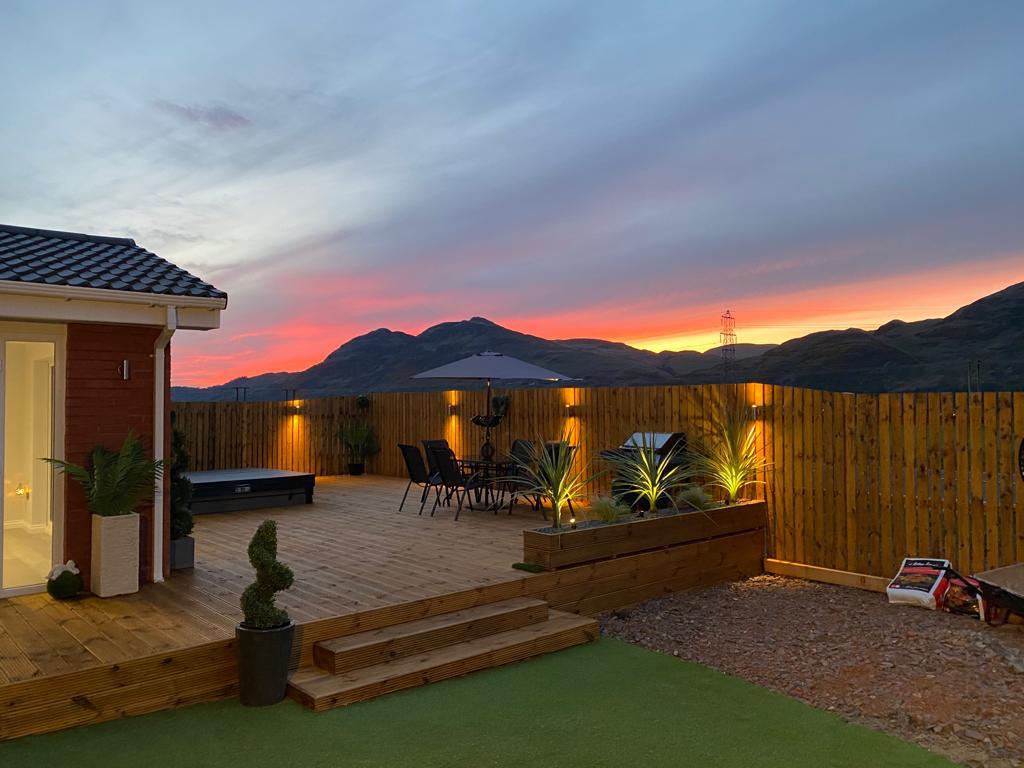
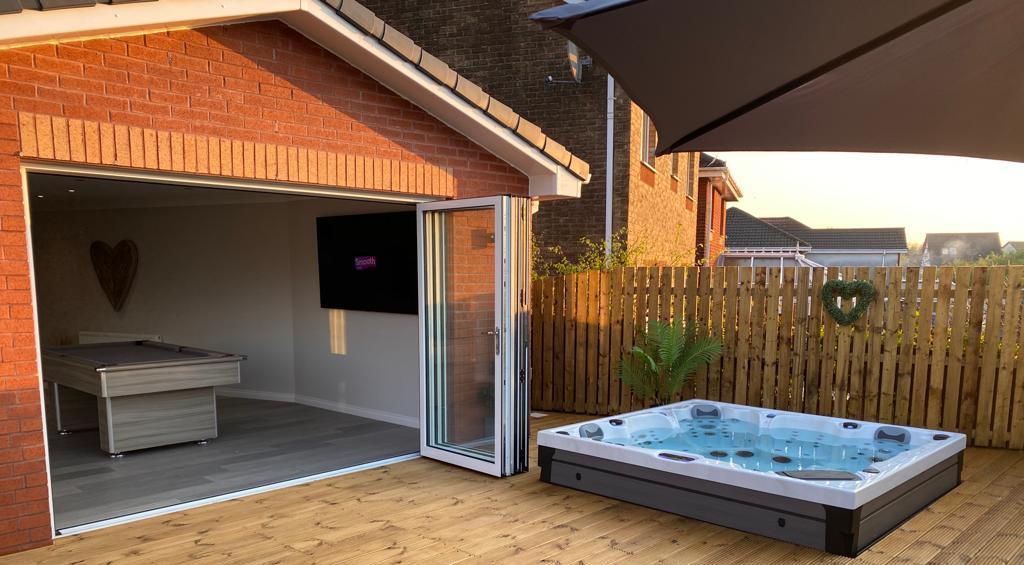

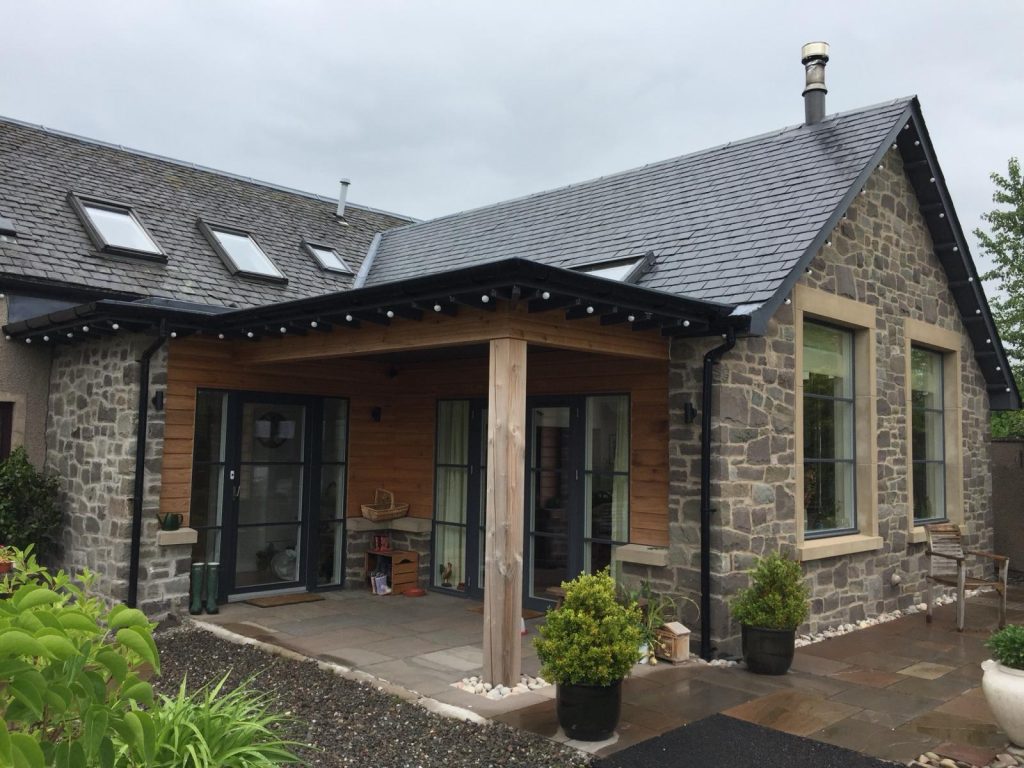

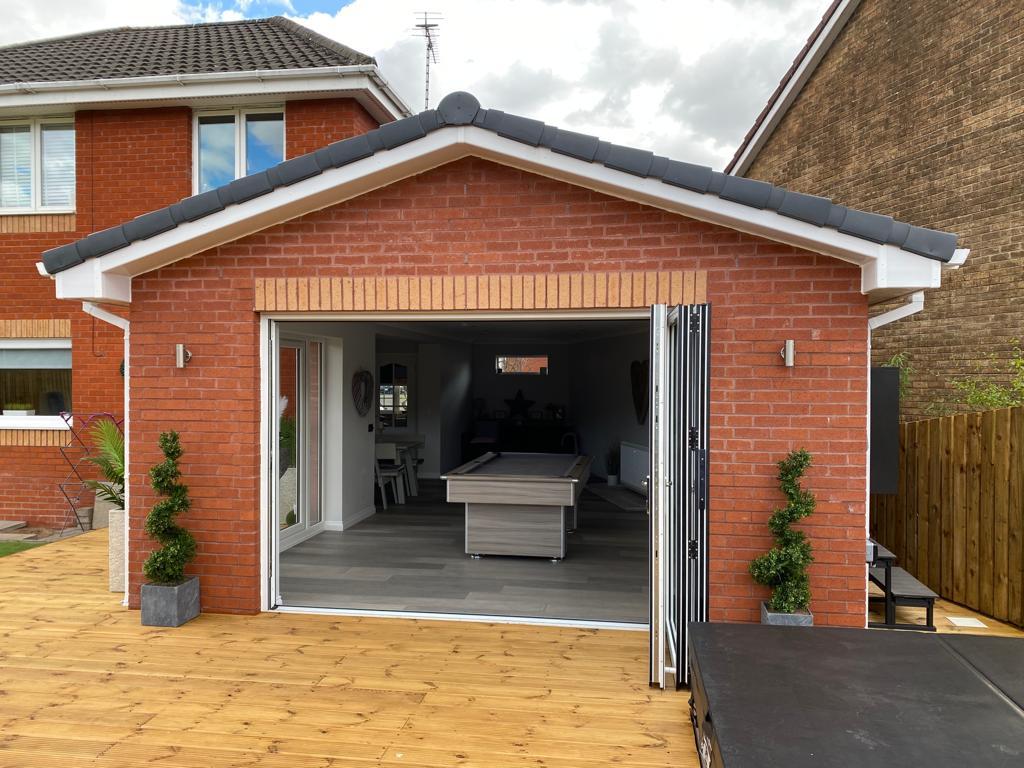


Popular Extension Styles
Rear Kitchen-Diner
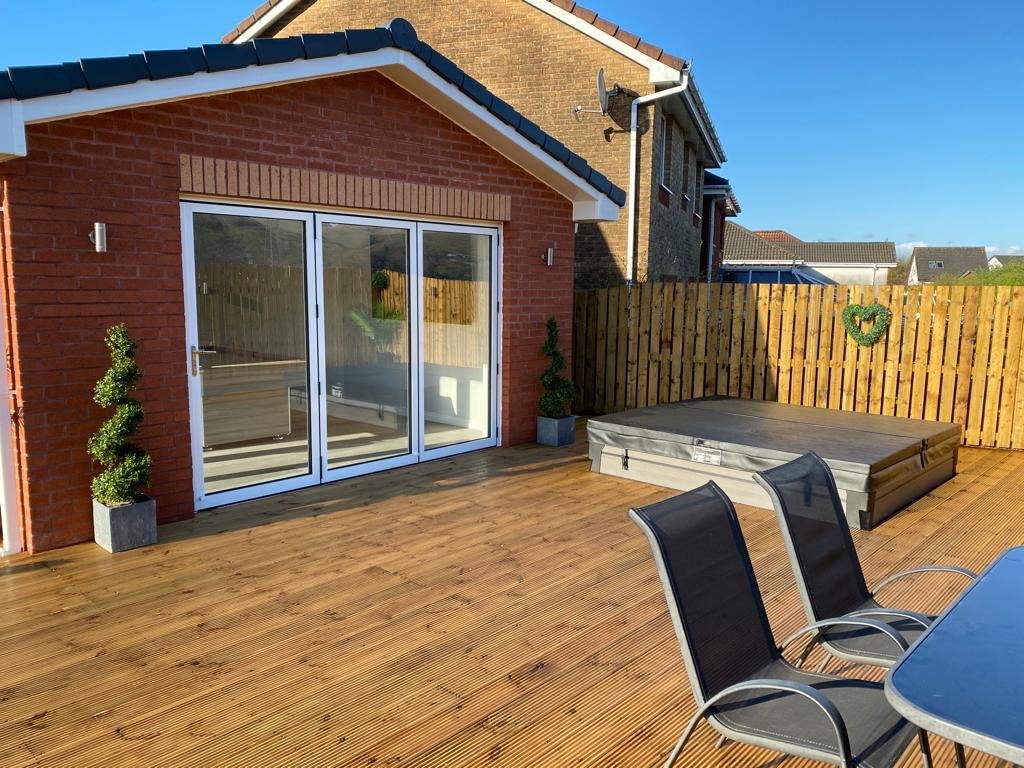
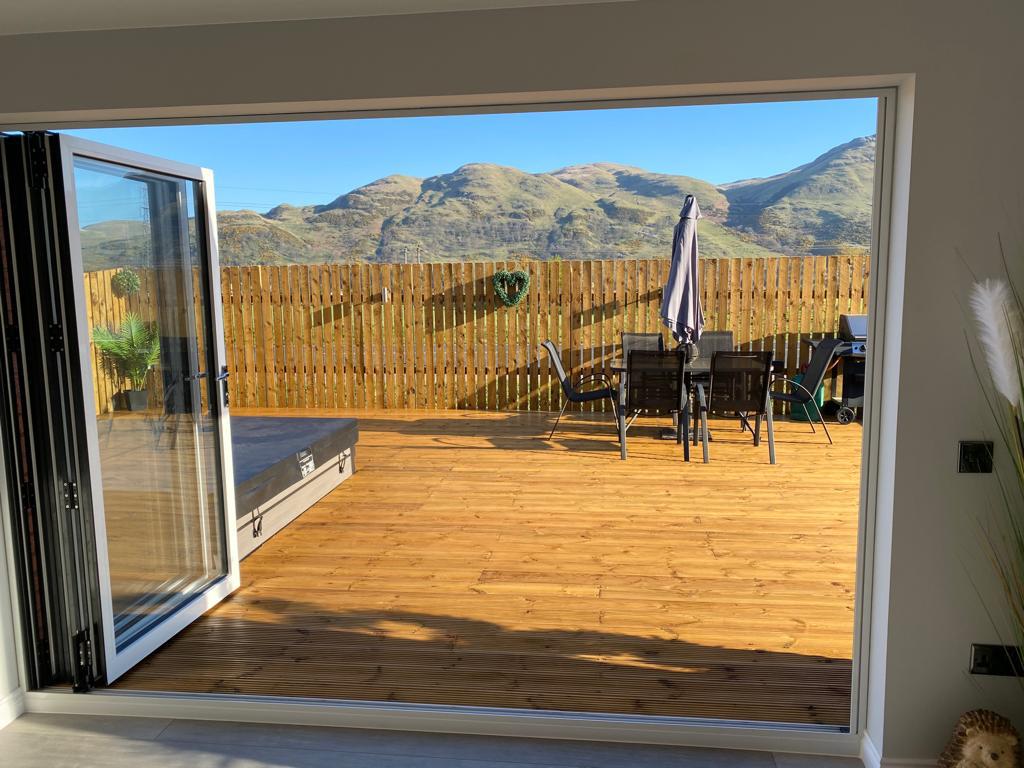
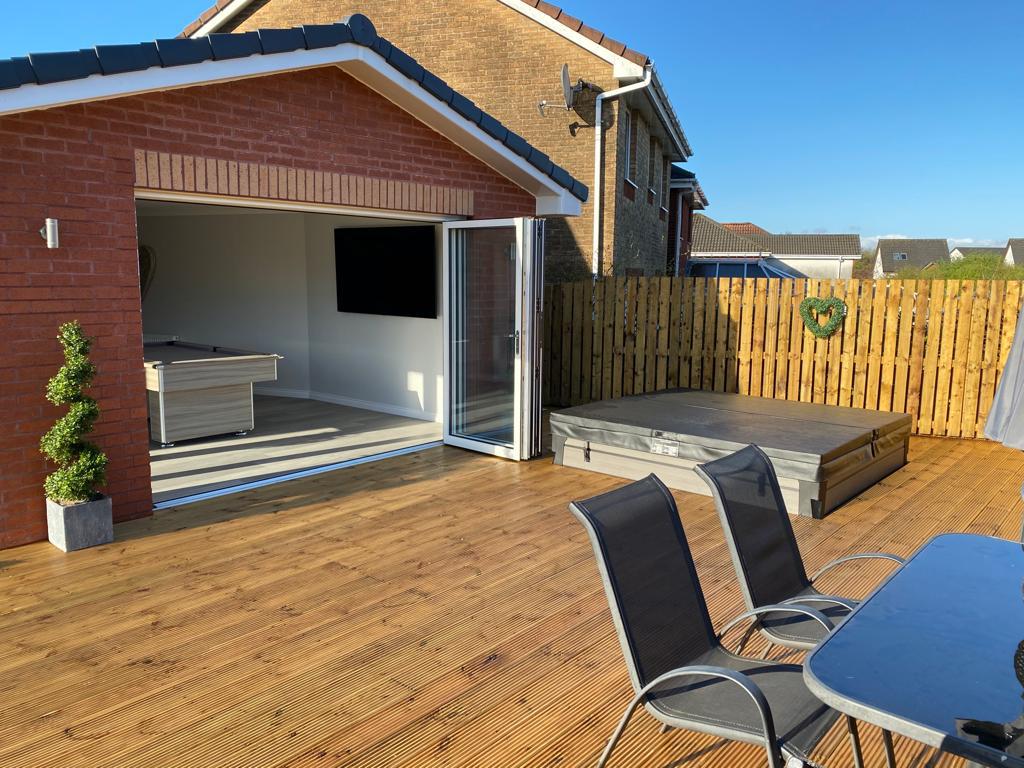
Rear kitchen‑diner extensions that merge cooking, dining and garden views.
Side Return Infills
Side‑return infills—perfect for Victorian terraces craving width.
L-Shape Wraps
Wrap‑around L‑shapes for the best of both worlds.
Two Storey Additions
Two‑storey additions adding bedrooms above and social space below.
Sunrooms
Orangeries & sun‑rooms for year‑round natural light.
Book Your Free Consultation
Need expert advice?
Call 01786 608 054 or email hello@buildersstirling.co.uk to arrange a no‑obligation site visit. We’ll discuss ideas, budget and timescales, then provide a detailed fixed‑price quote
Technical Insight
What Makes a Great Extension?
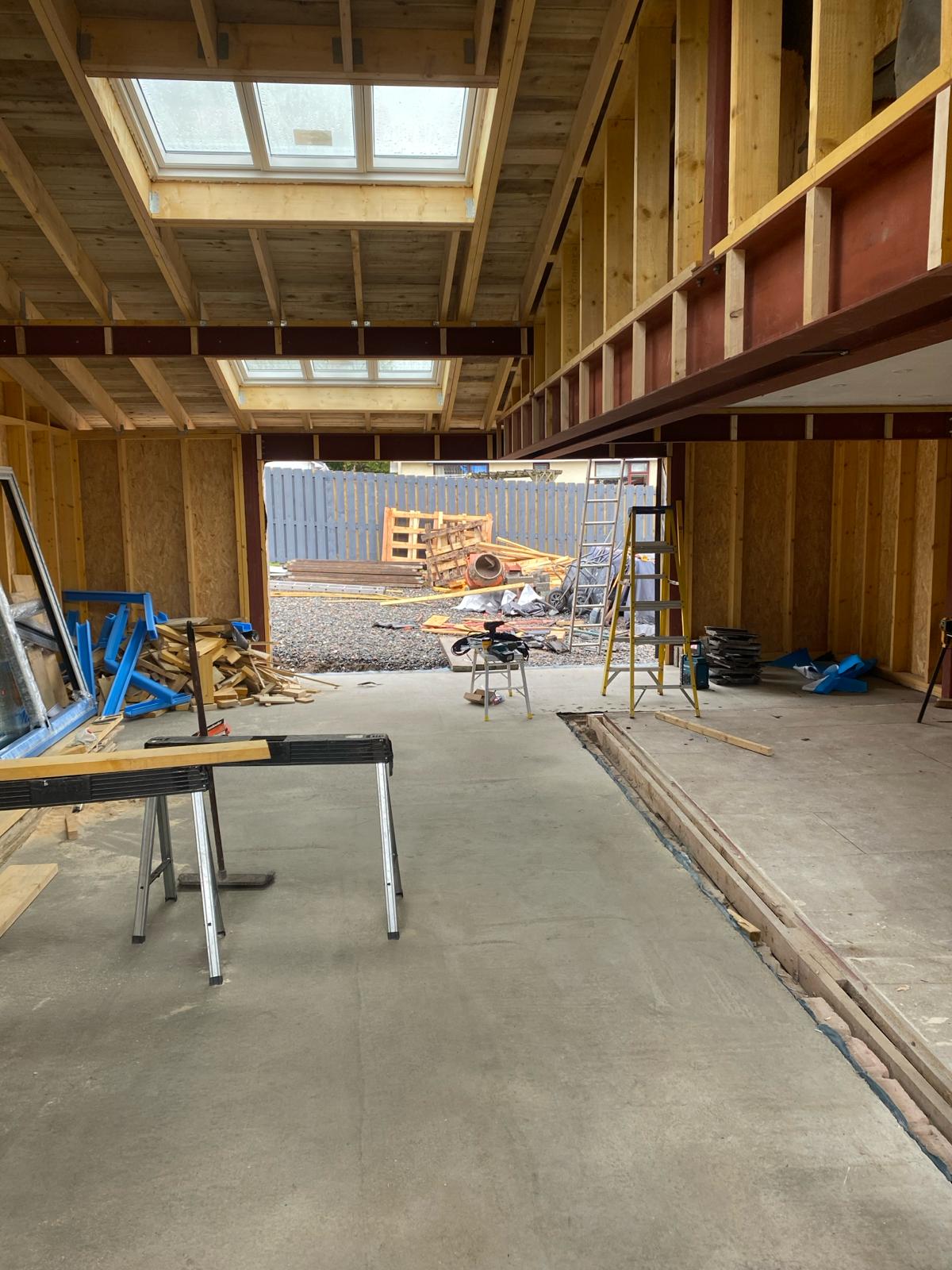
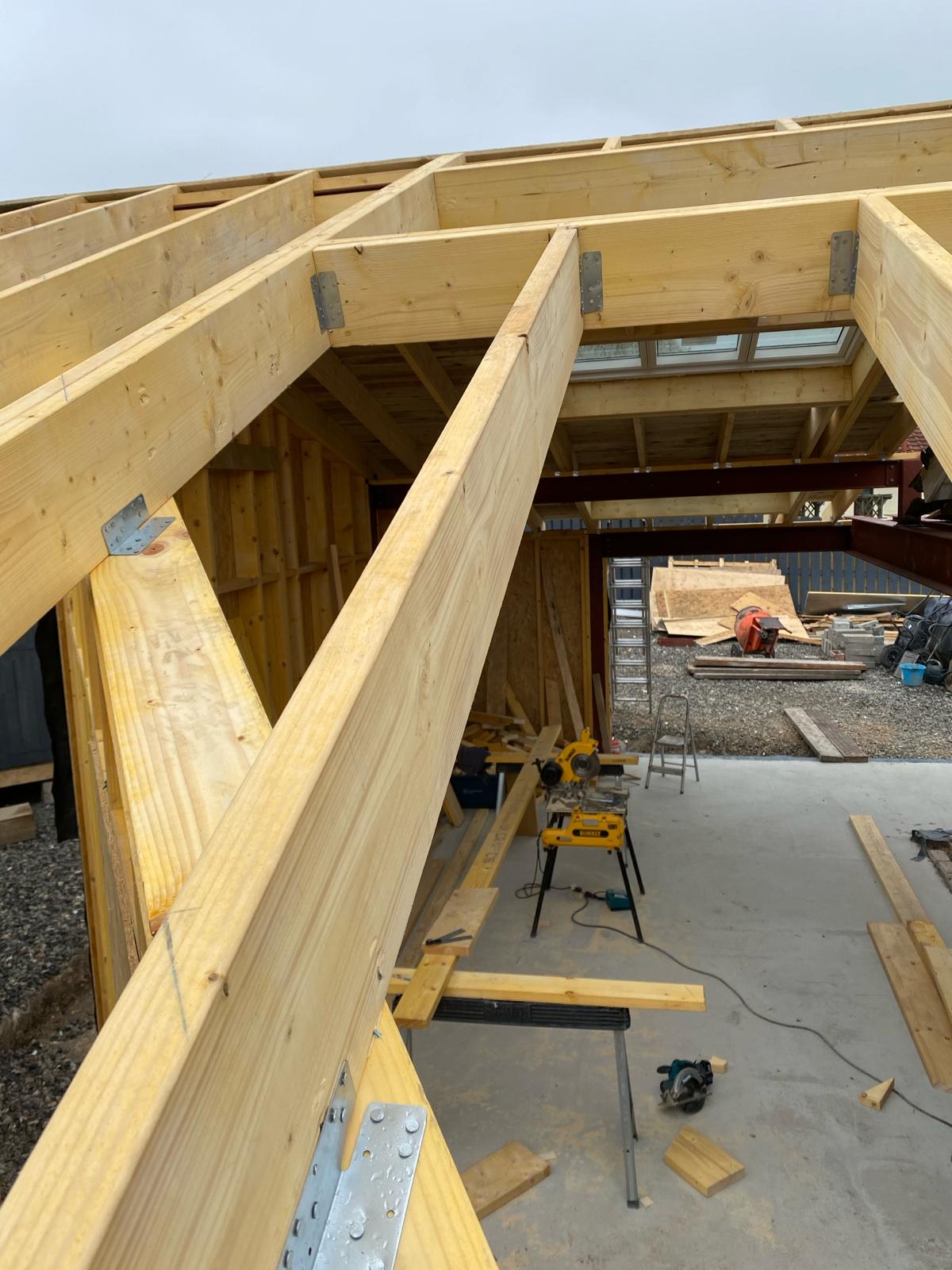
- Structural continuity – hidden steel beams are designed to distribute loads safely into new padstones or piles where ground conditions are poor.
- Thermal performance – we routinely specify triple‑glazed sliders to future‑proof energy costs.
- Moisture management – cavity trays, weeps and breathable membranes prevent interstitial condensation.
- Service integration – pre‑plumbed UFH pipes, MVHR ductwork and smart‑home cabling are installed before the screed goes down, saving rework later.


How It Works
Our Proven 4‑Step Process
Extension Costs & Indicative Timelines
Every job is unique and requires a thorough survey to allow an accurate quote to be given.
A straightforward extension typically runs around 10–14 weeks, although exact duration will depend on design complexity, weather and material lead‑times.
Extensions FAQs
What types of house extensions are available and which is right for my property?
House extensions come in various forms, each offering different benefits and suited to different property types, budgets, and requirements. At Vitality Property & Refurbishments, we specialize in designing and building extensions that seamlessly integrate with existing properties while providing the additional space and functionality our clients need.
Single-storey rear extensions are among the most popular options, extending the back of your property to create additional ground floor space. These extensions are ideal for creating larger kitchens, dining areas, or open-plan living spaces that connect better with garden areas. Single-storey extensions can often be built under permitted development rights, making them a relatively straightforward option for many properties. They’re particularly suitable for properties where upward expansion isn’t possible or desired.
Double-storey rear extensions provide additional space on both ground and first floors, maximizing the additional space gained while maintaining garden area. These extensions are excellent for growing families who need both additional living space downstairs and extra bedrooms upstairs. While more complex and expensive than single-storey options, double-storey extensions often provide better value per square meter of space added.
Side return extensions are particularly popular in Victorian terraced houses, where the narrow side return area can be incorporated into the main house to create significantly larger ground floor spaces. This type of extension is ideal for creating spacious kitchen- dining areas or open-plan living spaces in properties where the existing layout feels cramped or disconnected.
Wrap-around extensions combine rear and side return extensions to create substantial additional space, often transforming the entire ground floor layout of a property. These extensions are ideal for comprehensive remodeling projects where significant additional space is needed and the property layout requires substantial reconfiguration.
Two-storey side extensions add substantial space to both floors of your property, essentially creating additional rooms at ground and first floor levels. These extensions are suitable for properties with adequate side space and where significant additional accommodation is required. They’re particularly valuable for creating additional bedrooms and bathrooms upstairs while providing extra living space downstairs.
Loft extensions convert unused roof space into functional living areas, providing additional accommodation without extending the property’s footprint. These extensions are ideal for properties where ground-level extension isn’t possible due to space constraints or planning restrictions. Loft extensions can create additional bedrooms, bathrooms, or office spaces while maintaining garden areas.
The right extension type for your property depends on several factors including available space, planning constraints, budget, and your specific requirements. Consider your long-term needs, the property’s existing layout, and how the extension will integrate with your current living arrangements. We work closely with our clients to assess these factors and recommend the most suitable extension type for their circumstances.
Do I need planning permission for my house extension in Stirling?
Planning permission requirements for house extensions depend on the size, type, and location of your proposed extension, as well as your property’s specific circumstances. Understanding these requirements is crucial for planning your extension project and avoiding potential legal issues.
Many house extensions can be built under permitted development rights, which allow certain types of development without the need for formal planning permission. However, these rights come with specific limitations and conditions that must be carefully observed. For single-storey rear extensions, permitted development allows extensions up to 6 meters deep for terraced and semi-detached houses, and up to 8 meters for detached houses, provided certain conditions are met.
Two-storey extensions have more restrictive permitted development rights, typically limited to 3 meters deep for terraced and semi-detached houses, and 4 meters for detached houses. The extension must not exceed the height of the existing roof, and specific rules apply to proximity to boundaries and the impact on neighboring properties.
Side extensions under permitted development are limited to single-storey and must not exceed 4 meters in height or half the width of the original house. The extension must not extend beyond the front wall of the original house and must maintain specific distances from boundaries.
However, permitted development rights don’t apply in all circumstances. If your property is listed, located in a conservation area, designated as an Area of Outstanding Natural Beauty, or subject to an Article 4 direction, permitted development rights may be restricted or removed entirely. In these cases, planning permission would be required for extensions that would normally fall under permitted development.
Even where permitted development rights apply, you may need to apply for prior approval for larger single-storey rear extensions. This process involves submitting details of your proposed extension to the local planning authority, who will assess the impact on neighboring properties and may impose conditions or refuse permission if the impact is considered unacceptable.
Planning permission is definitely required for extensions that exceed permitted development limits, involve significant changes to the front elevation of your property, create additional dwelling units, or significantly alter the character or appearance of your property. Extensions in sensitive locations or those that might impact neighboring properties beyond acceptable limits will also require planning permission.
At Vitality Property & Refurbishments, we provide guidance on planning requirements and can assist with applications where necessary. We recommend checking with Stirling Council’s planning department early in your planning process to understand the specific requirements for your property and proposed extension.
How much does a house extension cost in Stirling?
The cost of house extensions in Stirling varies significantly depending on the type, size, and specification of the extension, as well as the specific challenges presented by your property. Understanding these cost factors helps you budget appropriately and make informed decisions about your extension project.
Single-storey rear extensions typically cost between £1,200 and £2,000 per square meter, depending on the specification and complexity of the project. A modest single- storey extension of 20 square meters might cost between £24,000 and £40,000, while a larger, higher-specification extension of 40 square meters could cost £48,000 to £80,000 or more. These costs include basic structural work, roofing, windows and doors, electrical and plumbing work, flooring, and internal finishes.
Double-storey extensions are more complex and typically cost between £1,500 and
£2,500 per square meter. The additional complexity of two-storey construction, including structural requirements, scaffolding, and coordination of multiple floor levels, increases costs compared to single-storey options. A 40 square meter double- storey extension might cost between £60,000 and £100,000, depending on specification and complexity.
Side return extensions in Victorian terraced properties typically cost between £25,000 and £50,000, depending on the size of the side return area and the level of internal reconfiguration required. These extensions often involve removing internal walls and creating new openings, which adds to the complexity and cost.
Wrap-around extensions, combining rear and side return elements, are among the most expensive options, typically costing £60,000 to £120,000 or more. The substantial additional space created and the complexity of the construction justify the higher investment, but these extensions also provide the most dramatic transformation of your property.
Several factors significantly influence extension costs. The specification of materials and finishes has a major impact, with basic specifications at the lower end of cost ranges and premium materials and finishes significantly increasing costs. Structural complexity, such as the need for steel beams, complex foundations, or challenging access, increases costs. The condition of your existing property affects costs, particularly if additional work is needed to integrate the extension properly.
Ground conditions can impact foundation costs, particularly if poor ground conditions require deeper or more complex foundations. Access to your property affects costs, with difficult access for materials and equipment increasing labor time and complexity. The level of internal reconfiguration required, such as removing walls or creating new openings in existing structures, adds to costs.
Planning and building regulation fees, architectural and structural engineering fees, and other professional costs typically add 10-15% to construction costs. These essential services ensure your extension is properly designed, compliant with regulations, and structurally sound.
It’s important to budget for contingencies, as extension projects often uncover unexpected issues such as poor ground conditions, structural problems in existing buildings, or the need for additional work to achieve building regulation compliance. We recommend budgeting an additional 10-20% for contingencies to ensure your project can proceed smoothly even if unexpected issues arise.
How long does it take to build a house extension?
The timeline for building a house extension depends on the type, size, and complexity of the extension, as well as factors such as planning approval requirements, material availability, and weather conditions. At Vitality Property & Refurbishments, we provide realistic timelines and work efficiently to complete extensions with minimal disruption to our clients.
The pre-construction phase, including design development, planning applications (if required), and building regulation approval, typically takes 8-16 weeks. This phase is crucial for ensuring your extension is properly planned and approved before construction begins. Simple extensions under permitted development may require only building regulation approval, reducing this timeline, while complex extensions requiring planning permission may take longer.
Single-storey rear extensions typically take 6-10 weeks to complete once construction begins. The first 1-2 weeks involve site preparation, excavation, and foundation work. Weeks 3-4 focus on building the structure, including walls, roof structure, and weatherproofing. Weeks 5-6 involve first fix work, including electrical and plumbing installation, insulation, and internal wall construction. The final 2-4 weeks involve second fix work, including flooring, internal finishes, decoration, and final installations.
Double-storey extensions are more complex and typically take 10-14 weeks to complete. The additional complexity of two-storey construction, including structural requirements, scaffolding, and coordination of multiple floor levels, extends the timeline. The structural phase takes longer due to the need for more complex foundations and structural elements, and the finishing phase is extended due to the larger area requiring completion.
Side return and wrap-around extensions often involve significant internal reconfiguration work, which can extend timelines to 12-16 weeks or more. The need to carefully coordinate work in occupied properties, protect existing structures, and manage complex structural changes adds time to these projects.
Several factors can influence extension timelines. Planning approval processes can add significant time if planning permission is required, particularly if revisions are needed or if there are objections to address. Material availability can impact scheduling, particularly for specialized items or during busy construction periods. Weather conditions can affect certain aspects of construction, particularly foundation work, roofing, and external finishing.
The discovery of unexpected issues, such as poor ground conditions, structural problems in existing buildings, or utility conflicts, can extend timelines. The complexity of integrating new work with existing structures often reveals challenges that weren’t apparent during initial planning.
Client decision-making can also impact timelines. Having all material selections, fixture choices, and design decisions finalized before construction begins helps ensure projects stay on schedule. Changes made during construction can cause delays and additional costs.
At Vitality Property & Refurbishments, we provide detailed project schedules and regular updates throughout construction to keep our clients informed of progress and any factors that might affect timelines. Our experience and careful planning help minimize delays and ensure efficient project completion.
What building regulations apply to house extensions?
Building regulations ensure that extension work meets current standards for safety, energy efficiency, structural integrity, and accessibility. Compliance with building regulations is mandatory for virtually all extension work, regardless of whether planning permission is required. At Vitality Property & Refurbishments, we ensure all our extension projects fully comply with current building regulations.
Structural requirements ensure your extension is safe and stable. This includes adequate foundations designed for ground conditions and structural loads, appropriate structural elements such as beams and supports for openings and load- bearing requirements, and proper connection between new and existing structures. Structural calculations and drawings are typically required to demonstrate compliance.
Thermal performance requirements ensure your extension meets current energy efficiency standards. This includes insulation standards for walls, roof, and floor that meet or exceed minimum U-values, appropriate glazing specifications for windows and doors, and consideration of thermal bridging and air leakage. Extensions must achieve thermal performance that doesn’t compromise the energy efficiency of the existing building.
Ventilation requirements ensure adequate air quality in new spaces. This includes background ventilation through trickle vents or other means, extract ventilation for kitchens and bathrooms, and consideration of whole-house ventilation strategies. The specific requirements depend on the intended use of the extension and its relationship to existing spaces.
Electrical safety requirements ensure safe electrical installation throughout the extension. This includes adequate electrical capacity for new spaces, appropriate circuit protection and earthing arrangements, compliance with current wiring regulations, and proper certification of electrical work. All electrical work must be completed by qualified electricians and properly certified.
Fire safety considerations ensure adequate means of escape and fire protection. This includes appropriate fire-resistant construction between new and existing spaces, adequate escape routes from all areas, and smoke detection systems where required. The specific requirements depend on the size and layout of the extension and its relationship to existing buildings.
Access and accessibility requirements ensure the extension can be used by people with varying mobility needs. This includes consideration of level access where possible, appropriate door widths and corridor dimensions, and accessible bathroom facilities where required. While full accessibility compliance isn’t always required for domestic extensions, consideration of these factors improves usability and future- proofing.
Drainage and waste management requirements ensure proper disposal of surface water and foul water from the extension. This includes adequate drainage for roof water, proper connection to existing drainage systems, and consideration of sustainable drainage systems where appropriate.
The building control approval process involves submitting detailed plans and specifications showing compliance with building regulations, followed by inspections during construction to verify compliance. Key inspection stages typically include foundation inspection before concrete is poured, structural inspection before covering structural elements, insulation inspection before covering insulation, and final inspection before occupation.
We handle all building control applications and coordinate inspections on behalf of our clients, ensuring the process is smooth and compliant. Our experience with building regulations ensures extensions are designed and built to meet all requirements while achieving our clients’ goals for functionality and aesthetics.
How do I choose between an extension and moving house?
The decision between extending your current property and moving to a larger home is one of the most significant choices homeowners face when they need additional space. This decision involves financial, practical, and emotional considerations that vary greatly depending on individual circumstances.
Financial considerations are often the primary factor in this decision. Calculate the total cost of extending, including construction costs, professional fees, temporary accommodation if required, and any loss of income during disruption. Compare this to the costs of moving, including estate agent fees, solicitor fees, stamp duty, removal costs, and any work needed on a new property. Consider also the potential value added by your extension versus the cost of buying additional space in a new property.
In many cases, extending can be more cost-effective than moving, particularly in areas where property prices are high or where stamp duty costs are significant. Extensions typically add value to your property, often recovering a substantial portion of the investment cost. However, this varies depending on local market conditions and the specific extension undertaken.
Practical considerations include whether your current property and location meet your long-term needs beyond just space requirements. Consider factors such as local schools, commuting requirements, neighborhood amenities, and proximity to family and friends. If your current location is ideal and only space is the issue, extending may be the better option.
Assess whether your property is suitable for the type of extension you need. Some properties have limited extension potential due to planning constraints, site limitations, or structural issues. If your space requirements can’t be met through extension, moving may be necessary.
Consider the disruption involved in each option. Extensions involve significant disruption to your daily life during construction, but this is typically limited to a few months. Moving involves the stress and disruption of selling, buying, and relocating, but this disruption is typically shorter in duration though potentially more intense.
Emotional factors play an important role in this decision. Consider your attachment to your current property, neighborhood, and community. If you love your current location and have strong local connections, extending allows you to stay while gaining the space you need. However, if you’re ready for a change or have outgrown your area, moving might provide the fresh start you’re looking for.
Market conditions can influence the timing and viability of both options. In strong property markets, selling and buying may be easier but more expensive. In weaker markets, extending might be more attractive as it avoids the challenges of selling in difficult conditions.
Long-term plans should also be considered. If you’re planning to move in the next few years anyway, extending may not provide sufficient time to recover the investment. However, if you’re planning to stay long-term, extending can provide years of enjoyment and potential value appreciation.
At Vitality Property & Refurbishments, we help our clients work through these considerations and provide honest advice about whether extension is the right choice for their circumstances. We can assess your property’s extension potential and provide realistic cost estimates to help inform your decision.
What are the most common mistakes to avoid when planning an extension?
Planning and executing a successful house extension requires careful consideration of numerous factors, and certain mistakes can lead to disappointing results, cost overruns, or ongoing problems. Understanding these common pitfalls helps ensure your extension project achieves your goals and provides long-term satisfaction.
Inadequate planning and design is one of the most common mistakes. Rushing into construction without thoroughly considering how the extension will function, integrate with existing spaces, and meet your long-term needs often leads to disappointing results. Take time to carefully plan the layout, consider how spaces will be used, and ensure the extension enhances rather than compromises your property’s functionality.
Underestimating costs is a frequent problem that can cause significant stress and compromise the quality of your extension. Ensure you obtain detailed quotes that include all aspects of the work, factor in professional fees and regulatory costs, and include a substantial contingency fund for unexpected issues. Remember that the cheapest quote isn’t always the best value if it doesn’t include all necessary work or uses inferior materials.
Ignoring planning and building regulation requirements can cause serious problems and delays. Even if you believe your extension falls under permitted development, verify this with your local planning authority. Ensure building regulation approval is obtained before work begins, and don’t assume that previous extensions or work by neighbors sets a precedent for your property.
Poor integration with existing architecture is a common mistake that can actually reduce your property’s value and appeal. Ensure your extension complements your property’s existing style and proportions, use appropriate materials that harmonize with existing construction, and consider how the extension affects the overall appearance and character of your property.
Inadequate consideration of natural light can result in dark, unwelcoming spaces that don’t achieve their potential. Plan window and door openings carefully to maximize natural light, consider how the extension affects light in existing rooms, and explore options such as roof lights or larger openings where appropriate.
Overlooking the impact on existing spaces is another common error. Consider how your extension affects the functionality and comfort of existing rooms, ensure adequate access between new and existing spaces, and plan for any necessary modifications to existing areas to optimize the overall layout.
Choosing the wrong contractor can compromise the entire project. Research contractors thoroughly, check references and previous work, ensure they have appropriate insurance and qualifications, and choose based on quality and reliability rather than just price. Poor workmanship can be expensive to correct and may affect your property’s value.
Inadequate project management can lead to delays, cost overruns, and quality issues. Ensure clear communication channels are established, maintain regular oversight of work progress and quality, and address any concerns promptly before they become major problems.
Failing to consider future needs can result in extensions that quickly become inadequate or inappropriate. Think about how your family’s needs might change over time, consider the flexibility of spaces for different uses, and avoid overly specific designs that can’t adapt to changing requirements.
Neglecting the garden and outdoor space impact is often overlooked but can significantly affect your property’s appeal and functionality. Consider how your extension affects garden space, outdoor access, and the relationship between indoor and outdoor areas.
At Vitality Property & Refurbishments, our experience helps clients avoid these common mistakes through careful planning, quality workmanship, and comprehensive project management. We work closely with our clients throughout the process to ensure their extension meets their needs and exceeds their expectations.